The Evolution of Leadership: Bridging Timeless Values and a Changing World
Leadership is fundamentally a human act. No algorithm can replace the moral compass, empathy, or human vision that drive collective growth.

Over the past decade, the business landscape has changed more dramatically than in the past fifty years combined. Artificial intelligence and automation are changing how we work. Social movements are altering expectations from organisations. Geopolitical shifts, generational changes, and technological growth, especially in emerging markets, redefine the values teams expect their leaders to uphold. Amidst unprecedented shifts, one truth remains: leadership is fundamentally a human act. No algorithm can replace the moral compass, empathy, or human vision that drive collective growth.
In this blog, we will discuss what remains timeless in leadership: integrity, empathy, and vision; what is undergoing constant revolutions, like technology, data, and diversity; and finally, what is coming next, as human-centred, adaptable mindsets shape future leaders. The evolution of leadership is not about discarding the past. It involves rethinking how essential values can help navigate a world in flux, balancing stability and flexibility, profit and purpose, and innovation and humanity.
 The Timeless Core of Leadership
Integrity & Purpose as Anchors
Trust is the most valuable currency. Today, 67% of employees expect CEOs to acknowledge and address burnout, work–life balance, and stress, not just focus on what will yield financial results (Edelman Trust Barometer 2025). When integrity shapes a leader’s vision, credibility follows. Authentic leaders who show ethical decision-making and transparency in turbulent times build a confident team and boost innovation, engagement, retention, and inclusivity (Bommel 2025).
Empathy as a Strategic Advantage
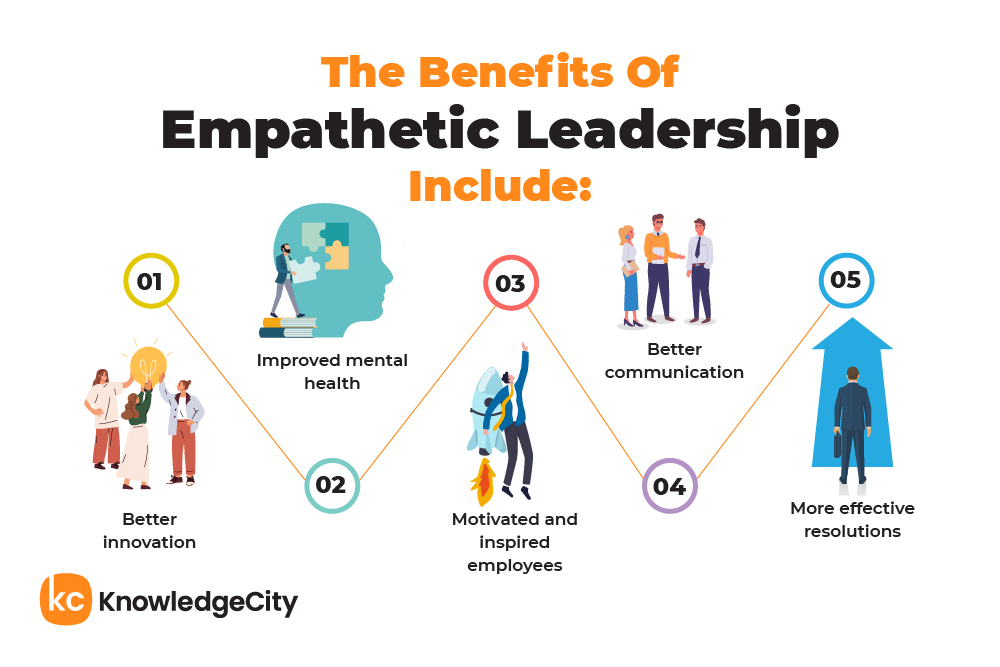
A report has revealed that 70% of a team’s engagement can be attributed to the manager, and in 2024, employee engagement dropped by 21% (Gallup 2025). Here, empathy is a strategic tool to leverage human connection and transform it into performance. Empathy helps interpret data through the lens of human experience, turning information into insights and collaboration into collective progress. C-suite executives improve organisational success when they recognise an individual’s unique needs and foster cultures where people feel seen, supported, and safe.
Vision Beyond the Moment
In a world obsessed with quarterly metrics, the sharpest leaders think in terms of decades, not weeks. They reflect on how today’s technology, society, and environment will affect tomorrow’s ecosystems. Vision involves more than just looking ahead; it takes courage to imagine something better, to take principled risks, and to include everyone in the journey. It means passionately building the future while taking decisive action in the present.
 The New Frontiers Shaping Leadership
Leading in the Age of AI and Data
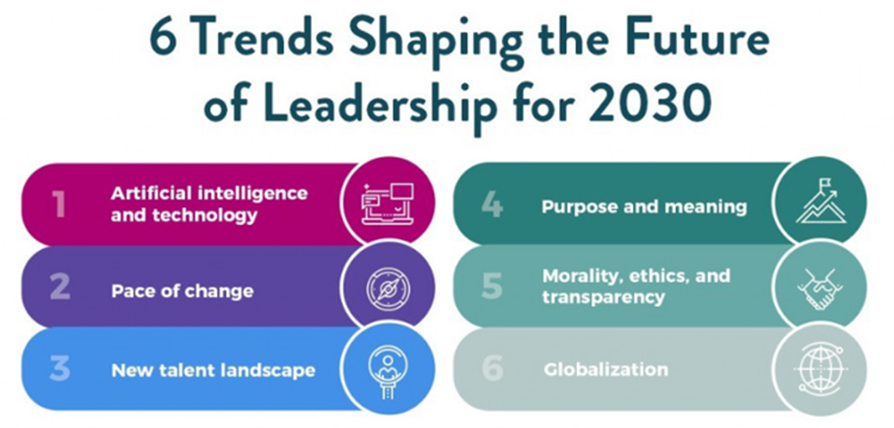
By 2030, AI and the green transformation will create 78 million new job opportunities (World Economic Forum 2025). However, half of today’s workforce will need to upskill significantly. The key is not shying away from AI. Instead, we must ask how leaders will integrate AI to strengthen decision-making and bring better insights, broader access, and inclusive systems, thereby supporting human judgment, not replacing it.
Resilience and Mental Well-Being
Burnout is more than a personal struggle. It's a global economic crisis that costs an estimated $1 trillion annually in lost productivity (WHO, 2024). Building resilience is about maintaining consistent performance over time. Empathetic leaders improve resilience by showing emotional and cultural intelligence, setting clear boundaries, and encouraging discussions about mental well-being.
Inclusive and Cross-Cultural Leadership
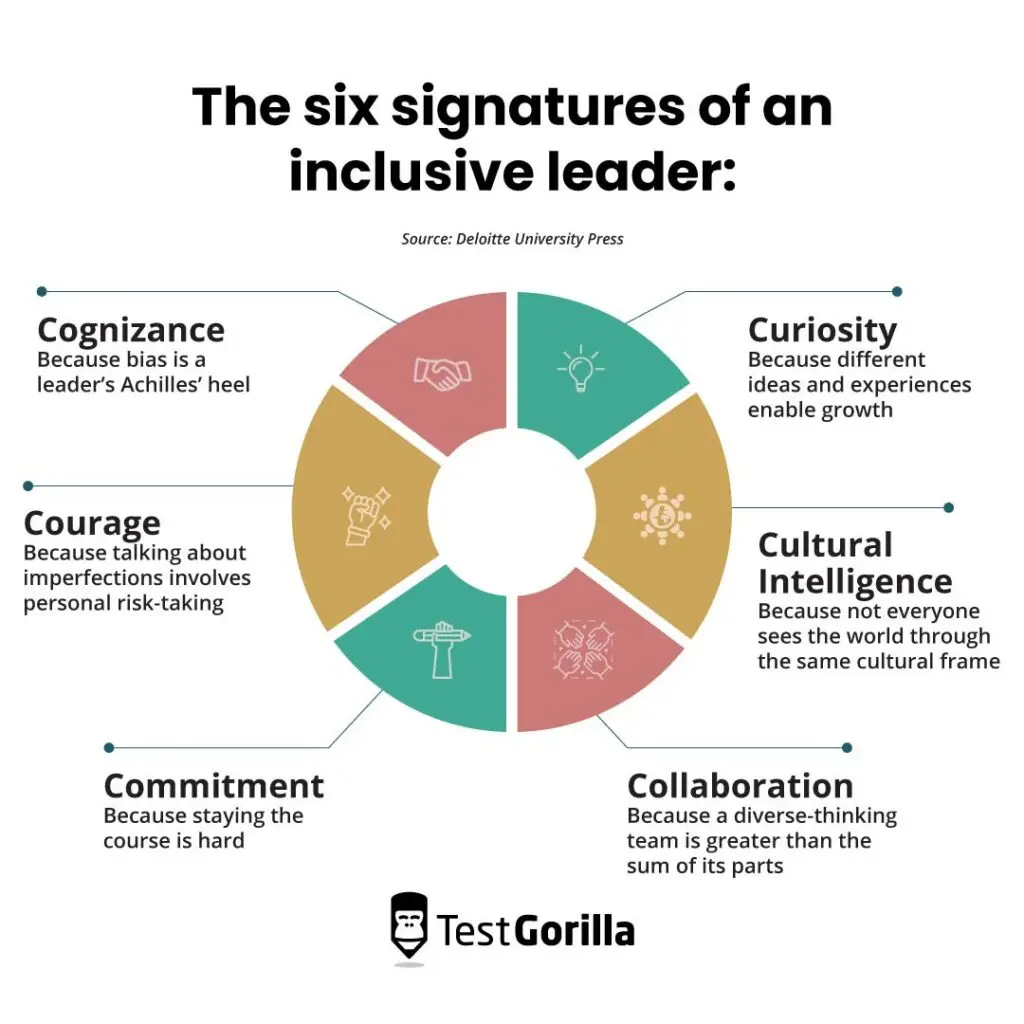
Diversity goes beyond representation — it encompasses genuine participation and co-creation. Companies in the top quartile for gender diversity are 9% more likely to outperform their peers; additionally, ethnically diverse boards outperform those in the bottom quartile by 13% (McKinsey's Diversity Wins 2020). Next-generation leaders are architects, building flexible bridges between the old and new, balancing diverse perspectives to achieve better community outcomes.
 The Future of Leadership: Human, Adaptive, Connected
Adaptive Decision-Making
The ability to re-learn may be more important than what we already know. Adaptive leaders view ambiguity as a constant — not to be feared, but moulded into meaningful know-how. They listen intently, make poised decisions, and pivot effectively when priorities shift rapidly. Those who stay curious and responsive will help create more resilient and fair systems.
Collaboration Over Control
The future belongs to those who create together, not control each other. Most forward-thinking organisations are moving from hierarchies to networks of trust. 40% of high-performing organisations with a robust track record of revenue growth are now shifting away from traditional functions and choosing cross-functional, team-based projects (Innovation Resource Centre for Human Resources 2020).
Purpose-Driven Leadership in a Digital Era
As technology accelerates, purpose becomes the moral compass. In a world influenced by algorithms, purpose ensures digital innovation serves people — not vice versa. To tackle these challenges and maintain ethical standards, leaders must focus on transparency, accountability, and continuous review of technology strategies by implementing strict data privacy measures, regularly checking for biases, and addressing automation's social and economic effects.
 Conclusion
Leadership isn’t a linear path driven solely by business-centric goals. It is an evolving practice concerned with making workplaces and industries more human, creating environments where people can succeed even when facing challenges. As a leader, ask yourself these questions:
The future will not belong to the loudest disruptors or the fastest innovators. It will belong to those who combine wisdom with agility, empathy with decisiveness, and technology with humanity. Outstanding leadership at every time has always been, and will always be, deeply human.
Reflection Questions for Leaders
- How has your leadership changed in the last three years?
- Which timeless principles still guide your decisions under pressure?
- How are you preparing your teams — including yourself — for the next wave of change?
Sources Related InsightsReady to evolve your leadership?
Let's discuss how Bridge X Advisory can support your leadership journey.
Bridge What's Next